Choosing the best car air freshener is harder than it looks. Your car’s cabin is a small, sealed space that traps every odor — morning coffee, gym bags, fast food, wet dog, and the mystery smell from last summer. Pick wrong and you either get a headache from an overpowering scent or a freshener that quits after three days. Pick right and your car smells inviting every time you open the door. This guide exists to help you pick right.
We compared the main formats — vent clips, hanging fresheners, gels, sprays, diffusers, charcoal bags, and odor bombs — against the factors that actually determine satisfaction: scent strength, longevity, safety, and value. Our conclusions come from manufacturer specifications, official product documentation, and recurring patterns in verified buyer reviews — never from invented lab tests or personal testing claims. If you want the short version: the best car air freshener for most drivers is an adjustable vent clip, because it balances noticeable scent with easy intensity control. But “most drivers” is not “you,” so keep reading to find your match.
What follows is the complete picture: a quick comparison table for skimmers, an honest deep dive into each freshener type, a seven-factor buying guide, odor-specific advice for smoke, pets, musty AC, and food smells, plus safety notes and answers to the questions we hear most. Throughout the guide you will find “Check Price on Amazon” buttons next to our picks. As an Amazon Associate, we earn from qualifying purchases. Every section also points you to our detailed cluster articles when you want to go deeper.
One promise before we start: this is a research-based guide, not a hands-on test report. We did not drive around sniffing fifty products, and we will not pretend otherwise. The methodology section below explains exactly what we did instead — and why that approach still gives you a trustworthy framework for choosing the best car air freshener in 2026.
Best Car Air Freshener Comparison: Top 10 Types at a Glance
Short on time? This table summarizes the ten formats and standout products covered below, with the specs that matter most. Longevity figures reflect manufacturer claims and commonly reported buyer experiences — cabin heat, fan speed, and your own sensitivity all move the real-world number.
| Format | Example Products | Best For | Typical Longevity* | Scent Strength | Price Check |
|---|---|---|---|---|---|
| Vent clip | Febreze Car, Bath & Body Works car fragrance | Everyday freshness with adjustable intensity | Up to 30 days on low setting (manufacturer claim) | Adjustable | Check Price On Amazon |
| Hanging cardboard | Little Trees | Classic scent on a budget | Several weeks, strongest at first | Strong, then fades | Check Price On Amazon |
| Hanging jar | Yankee Candle Car Jar | Home-fragrance scents for the car | Several weeks | Medium | Check Price On Amazon |
| Gel can | Ozium gel | Steady, low-maintenance background scent | Several weeks (adjustable lid) | Adjustable | Check Price On Amazon |
| Spill-proof can | California Scents | Set-and-forget under-seat scent | Up to 60 days (manufacturer claim) | Medium-strong | Check Price On Amazon |
| Spray | Chemical Guys, Ozium spray | Instant odor knockdown | Hours per application | Strong burst, short-lived | Check Price On Amazon |
| Odor bomb / fogger | Meguiar’s Whole Car Air Re-Fresher | One-time deep odor reset | Single treatment | Very strong (one use) | Check Price On Amazon |
| Smart diffuser | Pura Car | App-controlled scent switching | Weeks per refill vial | Adjustable | Check Price On Amazon |
| Charcoal bag | PURGGO | Fragrance-free odor absorption | Months (recharges in sunlight) | Unscented | Check Price On Amazon |
| Cassette freshener | Air Spencer CS-X3 | Distinctive, premium scent | Weeks per refill | Medium-strong | Check Price On Amazon |
*Typical longevity reflects manufacturer claims and patterns reported by buyers. Heat, airflow, and scent fatigue affect real results.
Black Friday Week (November 19–30, 2026): Amazon runs its biggest sale of the year during these 12 days, and prices on the picks below can change during the event. We do not list prices here because they change often — check the current price on Amazon before you buy.
Our Top 10 Best Car Air Freshener Picks for 2026
These are the ten products we recommend across the formats above — the same picks our cluster guides cover in depth. Ratings and review counts below were checked on Amazon in November 2026.
1. Drift Stone Air Freshener
Drift’s stone diffuser is a porous ceramic-blend block that releases scent passively, with a magnetic visor clip and essential + fragrance oils. Refillable scent blocks last about 30 days per block.
★ 4.1 (about 6,300 reviews, checked Nov 2026)
Pros: Refillable stone blocks (about 30 days per block) / Premium look, no liquid to spill
Cons: Needs the metal clip / Scent softens in high heat
2. Pura Car Diffuser
Pura’s smart diffuser is app-controlled — adjust intensity and schedule from your phone, with refillable fragrance cartridges.
★ 3.8 (about 400 reviews, checked Nov 2026)
Pros: App-controlled intensity and scheduling / Refillable cartridges, no daily upkeep
Cons: Needs the app and power for full control / Fragrances sold separately
3. Febreze Car Vent Clip
Febreze’s vent clip uses airflow to distribute scent, with an adjustable dial for intensity. Designed for odor control, not just masking.
★ 4.4 (checked Nov 2026)
Pros: Vent-clip format works with airflow / Designed for odor control
Cons: Refills need replacing / Scent strength depends on fan use
4. Little Trees Black Ice (24-pack)
The classic hanging tree — Black Ice is a masculine citrus-and-woods scent, and the 24-pack (four packs of six) is the lowest cost per freshener on this list. Scent lasts up to 2–3 weeks per tree.
★ 4.6 (about 28,500 reviews, checked Nov 2026)
Pros: Lowest cost per freshener / Hanging format, fits any car
Cons: Scent fades within a few weeks / One scent per tree
5. Chemical Guys New Car Smell Spray (16 oz)
Chemical Guys’ New Car Smell spray is designed for use after interior detailing — a spray format for a quick refresh, with a manufacturer claim of up to 90 days per application.
★ 4.1 (44,700 ratings, checked Nov 2026)
Pros: Designed for use after interior detailing / Spray format for a quick refresh
Cons: Spray format needs reapplying / Some buyers report the scent fades faster than the 90-day claim
7. Ozium Air Sanitizer Spray (0.8 oz, 6-pack)
Ozium’s small spray is designed to sanitize and freshen — a travel-size format that is easy to keep in the car for a quick refresh.
★ 4.3 (57 reviews, checked Nov 2026)
Pros: Designed to sanitize and freshen / Small travel size, easy to keep in the car
Cons: Small 0.8 oz size / Few reviews for this exact variant (57)
9. California Scents Spillproof Canister (Desert Jasmine, 4-pack)
California Scents’ gel canister sits under the seat and releases scent steadily, with no power needed. Designed to last up to 60 days per canister.
★ 3.7 (about 425 reviews, checked Nov 2026)
Pros: Gel canister, no power needed / Designed for steady scent release
Cons: Lowest-rated pick here (3.7★) / Canister takes up cup-holder space
10. Air Spencer CS-X3 (Squash)
Air Spencer’s CS-X3 cassette is a distinctive, premium scent in a compact format that needs no power. Scent duration is about 4 weeks per refill.
★ 4.2 (about 2,000–2,500 reviews, checked Nov 2026)
Pros: Distinctive, premium scent / Cassette format, no power needed
Cons: Refills add ongoing cost / Scent is distinctive — not for everyone
The Main Types of Best Car Air Fresheners, Explained
Every car air freshener falls into one of seven families. Understanding how each one releases scent — and where each one falls short — is the fastest way to narrow your choice. Here is the honest breakdown.
Vent Clips
Vent clips are the most popular car air freshener format in 2026, and it is easy to see why. They attach directly to a dashboard vent, so every time your heating or AC runs, airflow carries the scent through the cabin. Most designs include an intensity dial or adjustable vents, which solves the number one complaint about car fresheners: scent that is either too weak or headache-strong.
Febreze Car, the category’s best-known example, states its clips last up to 30 days on the low setting — a claim broadly echoed by buyer feedback, with many drivers reporting three to four weeks of noticeable scent. Bath & Body Works car fragrance refills follow the same clip-and-cartridge logic and appeal to shoppers who want home-fragrance scents in the car. The strengths are obvious: adjustable intensity, even distribution, no dangling objects in your sightline, and easy cartridge swaps.
The weaknesses matter too. Scent output depends on airflow, so clips do little with the fan off; cartridges cost more over time than a pack of trees; and in extreme summer heat, oils can deplete faster than the stated range. If you want the best car air freshener for daily commuting with minimal fuss, start here — and read our Febreze Car Vent Clip review and best vent clip roundup for deeper detail.
Hanging Air Fresheners
Few products are as recognizable as the Little Trees hanging freshener — the tree-shaped cardboard icon has scented rearview mirrors since 1952. Hanging fresheners work by simple evaporation: fragrance oil infused into paper, fiber, or gel slowly releases into the cabin. They are the cheapest entry point, widely available in dozens of scents, and need no installation beyond a string. Buyer patterns are consistent across brands: scent is strongest in the first week, then fades gradually over several weeks. Black Ice remains the most talked-about Little Trees scent, while Yankee Candle’s Car Jar offers a sturdier format with home-candle fragrances.
The trade-offs are real. You cannot adjust intensity, so sensitive noses may find week one overwhelming. Anything hanging from the mirror can distract or, in some regions, draw a traffic citation — check local rules. And because they release by evaporation, a parked car in summer heat can burn through scent quickly. Still, for the best car air freshener on a tight budget, hanging fresheners are unbeatable value. See our Little Trees Black Ice review and best hanging fresheners guide.
Gel Air Fresheners
Gel fresheners sit in a cupholder or on the dash and release fragrance as the gel slowly evaporates through an adjustable lid. Ozium’s gel line is a well-known example: buyers consistently praise the twist-to-adjust lid that lets you throttle scent output, a small feature that makes a big difference in a compact cabin. Gels typically scent a car for several weeks, and because they are not airflow-dependent, they keep working with the fan off — a genuine advantage for parked cars. They are also spill-resistant and discreet.
The downsides: gels dry out faster in hot climates, shrinking and hardening until scent fades; some scents read as artificial up close; and a gel can sliding around the dash is a (minor) driving distraction. For drivers who want steady, low-maintenance background scent without clipping anything to a vent, gels are a strong contender for the best car air freshener in their price class. Dive deeper in our Ozium gel review and best gel fresheners in the USA.
Spray Air Fresheners
Sprays are the sprinters of the car freshener world: instant impact, short duration. A few spritzes of a product like Chemical Guys New Car Smell or Ozium’s glycolized spray can reset a cabin in seconds — the former is frequently cited by passengers for actually reducing odor rather than merely layering perfume over it. The catch is longevity: hours, not weeks, per application, which makes sprays a complement rather than a standalone solution.
Over-spraying in a sealed cabin can also irritate eyes and throats, so ventilate after use and follow label directions. Cost per month climbs if you spray daily. Think of sprays as your emergency tool: the best car air freshener for instant freshness, but not for set-and-forget scent. Our Chemical Guys New Car Smell review and odor eliminator bomb guide cover the heavy-duty options.
Car Diffusers (Electric, Passive & Smart)
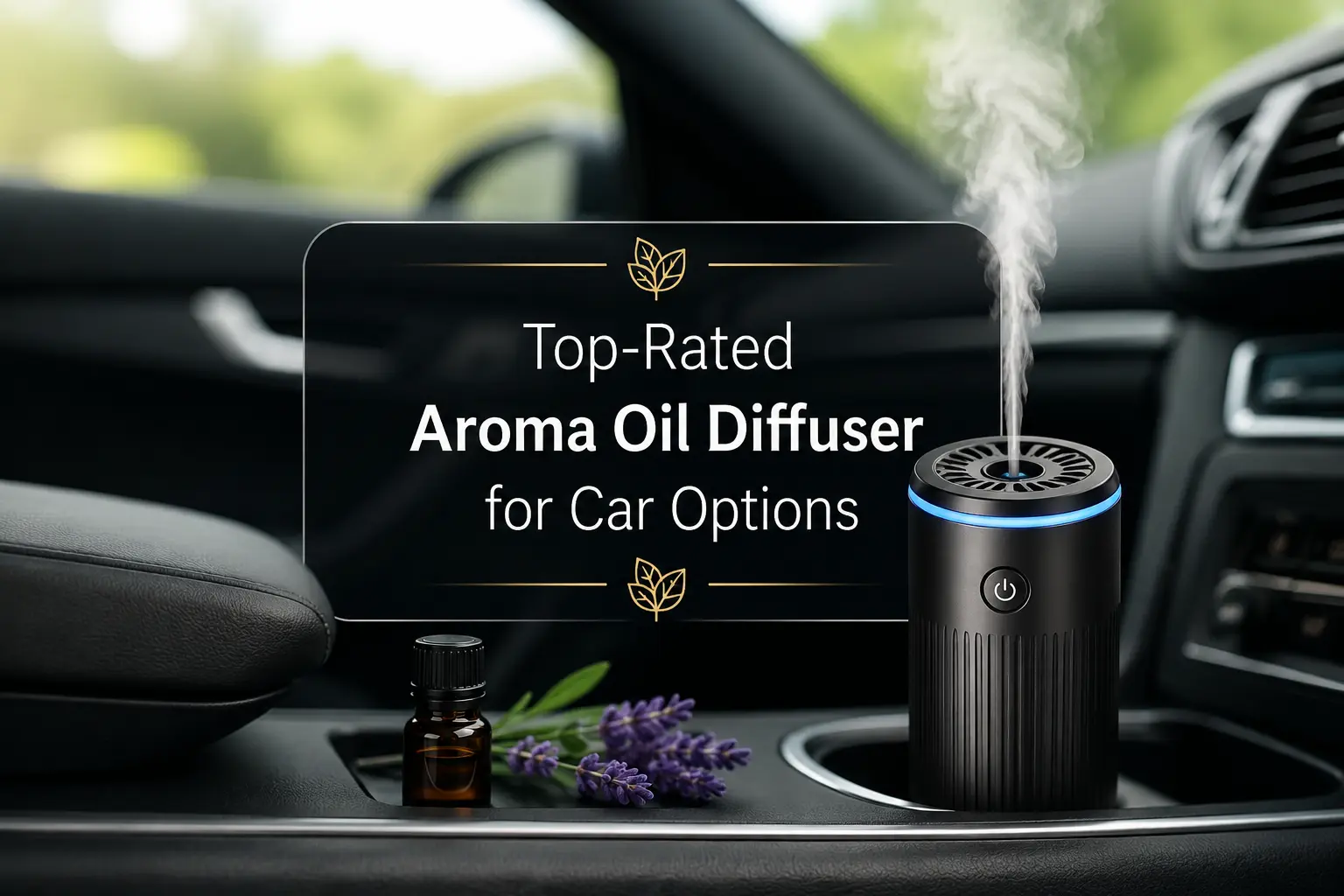
Diffusers are the fastest-growing segment, spanning three very different designs. Passive diffusers — felt pads, wooden blocks, lava stones — hold a few drops of essential or fragrance oil and release scent slowly; they are cheap, reusable, and popular with drivers avoiding aerosols. Electric and USB diffusers actively mist water or oil, delivering stronger, more consistent scent for commuters, while smart diffusers like the Pura Car system pair a car device with an app you can schedule scent, switch fragrances, and adjust intensity from your phone.
Buyer feedback highlights the luxury feel and precise control, while noting the higher upfront cost and ongoing refill purchases. Across all diffuser types, the appeal is control: you decide the scent, the strength, and (with smart models) the schedule. The drawbacks are cost, occasional complexity, and for ultrasonic models — the need for refills and cleaning to prevent residue. If you love fine fragrance or smart-home tech, a diffuser may be the best car air freshener for you. Explore our Pura Car Diffuser review, rechargeable aromatherapy diffuser guide, and top-rated aroma oil diffusers.
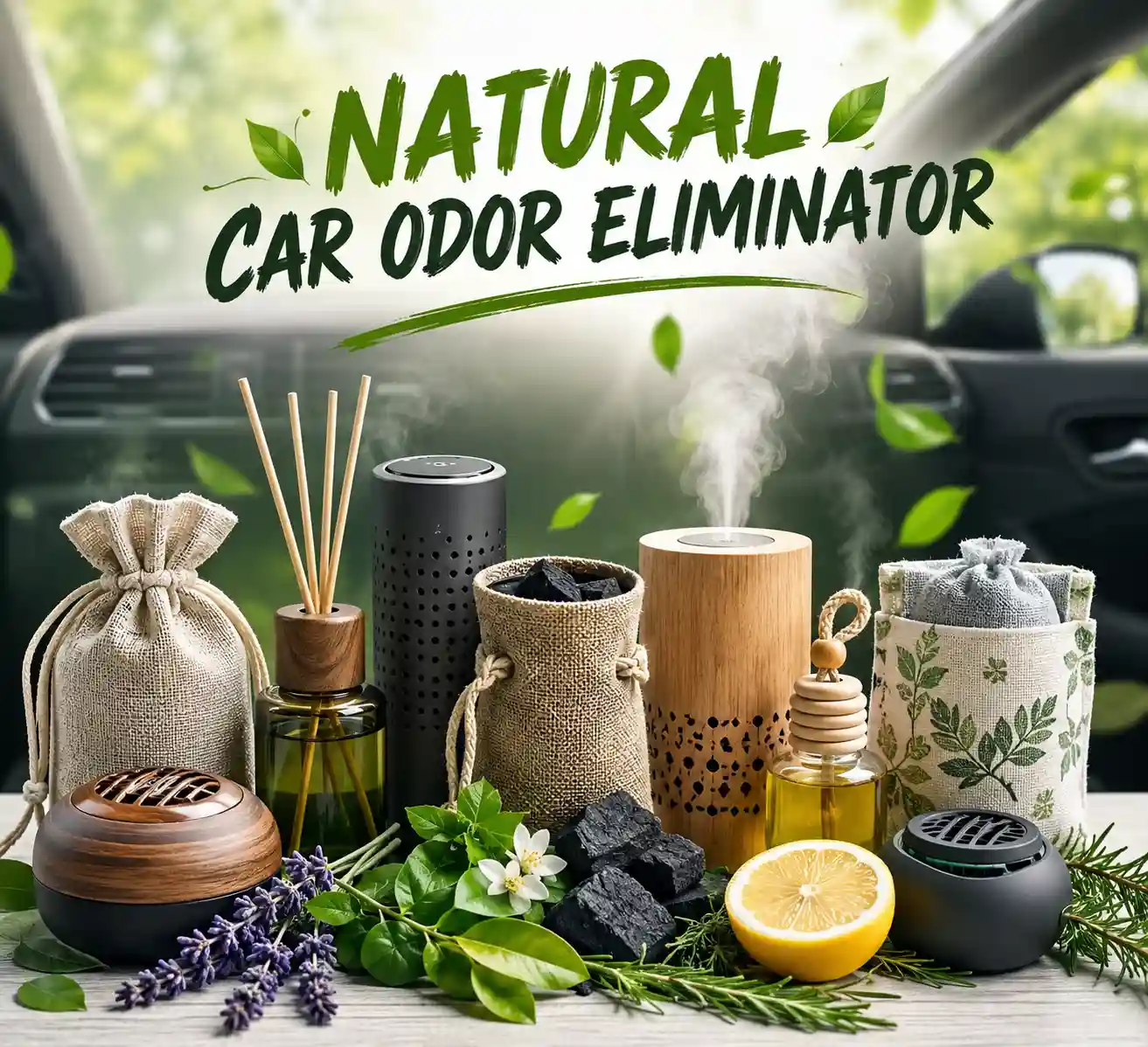
Activated Charcoal Bags
Charcoal bags take the opposite approach to every other format: instead of adding fragrance, they remove odor. Bags filled with bamboo-derived activated charcoal adsorb odor molecules into millions of microscopic pores, gradually neutralizing smells without any scent of their own. PURGGO, the category’s best-known brand, markets its bags as lasting well over a year with monthly sunlight recharges — a claim consistent with how activated carbon works, though real-world results depend on odor load.
Buyer patterns confirm the core promise: charcoal bags genuinely reduce mild, ongoing odors (gym bags, food, pets) over days, not minutes, and they never cause headaches. They cannot fix a soaked spill or heavy smoke on their own — those need cleaning first — and they add zero fragrance, so if you want your car to smell like something, pair one with a scented format. For allergy-prone households and fragrance-free goals, they are the best car air freshener approach. Our charcoal bag guide explains size and recharge details.
Odor Bombs & Foggers
When a cabin smells deeply of smoke, mildew, or mystery, incremental fresheners will not cut it — you need an odor bomb. These one-shot foggers (Meguiar’s Whole Car Air Re-Fresher is the category leader) release a fine mist into a sealed car with the AC running on recirculate, pushing odor-fighting agents through the vents and into fabrics. Buyer reports describe genuine resets for cars that years of air fresheners never fixed.
You must vacate the car during treatment, air it out thoroughly afterward, and follow safety instructions precisely — this is chemistry, not a spritz. One can equals one treatment, so cost per use runs high. As a rescue step before choosing a maintenance freshener, nothing else compares; as a daily solution, they are impractical. Read our odor eliminator bomb guide before you buy one.
How to Choose the Best Car Air Freshener: 7 Key Factors
With the formats mapped, here is how to match one to your life. Run through these seven factors in order, and your shortlist will shrink to one or two formats fast.

1. Scent strength and adjustability
Start here, because strength mismatch causes most buyer’s remorse. Scent perception varies enormously — one person’s “subtle” is another’s headache. Adjustable formats (vent clips with dials, gels with lids, smart diffusers) let you tune the dose. If you share the car with kids or sensitive passengers, adjustability is non-negotiable.
2. Longevity
Manufacturers quote longevity under ideal conditions — mild temperatures, moderate airflow. Real life is a parked car in July. Treat every “up to 30 days” claim as a best-case ceiling; buyer reports cluster around 70–80% of the stated figure. If longevity is your top priority, gels and vent clips on low settings outperform hanging trees.
3. Safety and ingredients
A car cabin is one of the smallest spaces you will ever fragrance, so ingredient caution is warranted. Phthalates and volatile organic compounds are common in cheap fragrance oils, and the EPA notes that many air fresheners can emit VOCs and formaldehyde (EPA on air fresheners and indoor air quality). Look for brands that disclose ingredient lists, prefer essential-oil or fragrance-free options when the cabin carries kids or pets, and never place a freshener where liquid could drip onto electronics or leather.
4. Price and value
Car fresheners range from a dollar or two for hanging trees to premium smart-diffuser systems with ongoing refills. The cheapest sticker price is rarely the best value — calculate cost per month of usable scent. A 24-pack of trees beats a premium clip on monthly cost, but if you hate the scent, it is money wasted. Buy the smallest size first, test for a week, and only then commit to a bulk pack.
5. Car size and ventilation
Cabin volume matters. A compact hatchback needs far less fragrance than a three-row SUV, and convertibles lose scent to fresh air anyway. In big vehicles, pair a front vent clip with a rear gel can or second clip near the back seats. In small cars, start with the lowest setting of an adjustable format — you can always turn it up.
6. Allergies and sensitivities
If anyone who rides with you has asthma, fragrance allergies, or migraines triggered by scent, choose the unscented route first: activated charcoal bags, thorough cleaning, and ventilation. If fragrance is still desired, look for products labeled phthalate-free and start with a single, well-ventilated test drive before committing. Never mask an odor that could signal a mechanical problem — a sweet smell can mean coolant; a musty smell can mean mold.
7. Purpose: masking vs. eliminating
Be honest about your goal. If your car basically smells fine and you want a pleasant signature scent, any masking format works. If there is a real odor — smoke, mildew, spilled milk — no freshener alone will fix it. Eliminate first: clean the source, use a charcoal bag or fogger, then layer a pleasant scent on top of a clean cabin. Skipping the cleanup step is why so many “strong” fresheners disappoint.
How We Researched This Guide
Trust requires transparency, so here is exactly what went into this guide — and what did not. We did not run lab tests or controlled driving trials, and we say so plainly. Instead, we built our recommendations from three sources: manufacturer specifications and official product documentation; recurring patterns in publicly available buyer feedback (not cherry-picked five-star reviews); and a structured mapping of every format’s strengths and weaknesses against the seven factors above.
What we did: we compiled manufacturer specifications and official product documentation for the leading formats and brands; we mapped buyer-reported patterns for longevity, scent strength, and failure modes against those specifications; and we mapped every recommendation to the in-depth cluster articles on this site, each focused on a single product or comparison. In November 2026 we added product picks with Amazon star ratings and review counts, checked on Amazon that month.
This guide was last comprehensively updated in November 2026. Fresheners get reformulated and new scents launch often, so we revisit the rankings regularly and update links when products change.
Best Car Air Freshener Picks by Odor Problem
Different stenches need different strategies. Here is the research-backed playbook for the four odor problems we hear about most.
Cigarette and cigar smoke
Smoke bonds to headliners, seats, and HVAC ducts, so surface fragrance barely dents it. The effective sequence is: fogger treatment with the AC on recirculate, charcoal bag for a week of absorption, then a vent clip for maintenance scent. See our best air freshener for smoke smell guide for product-level detail.
Pet odors
Wet dog and litter-box notes come from bacteria and dander trapped in upholstery. Vacuum thoroughly, shampoo the spots, then use a charcoal bag under the seat plus a vent clip with a clean scent. Covers alone can trap odor — wash them, don’t just spray them.
Musty air conditioning
A musty blast when the AC kicks on usually means microbial growth on the evaporator or a saturated cabin filter. Replace the cabin filter, run an AC cleaner, and only then add a light freshener. Masking a moldy evaporator can make the air worse. Our car smells musty when AC is on guide walks through the fix.
Food and spill smells
Fast-food bags and coffee spills create sharp but shallow odors: remove the source, wipe surfaces, let the car ventilate, then refresh with a spray for an instant reset. A gel can under the seat keeps the background pleasant while the cabin fully airs out.
Car Air Freshener Safety: What to Know
Used as directed, mainstream car air fresheners are generally safe — but “as directed” does heavy lifting. Keep fresheners away from the driver’s line of sight, never spray toward anyone’s face, and keep liquids off dashboards in direct sun where they can stain or affect electronics. Heat intensifies fragrance release, so a scent that feels fine in March can feel overwhelming in July.
If health is your top concern, unscented charcoal bags and our non-toxic car air freshener guide are the place to start. Read the full safety breakdown in are car air fresheners bad for your health.
Best Car Air Freshener FAQs
Quick answers to the questions readers ask us most. The FAQ block below also adds structured FAQ data for search engines.
What is the best car air freshener for a small car?
An adjustable vent clip, because you can dial the strength down in a small cabin. Strong hanging fresheners can overwhelm a compact car in week one, so start on the lowest setting and move the clip to a rear vent if needed.
How long does a car air freshener last?
It depends on the format. Hanging trees typically last 2–3 weeks, vent clips up to 30 days on a low setting (manufacturer claim), gel cans several weeks, and charcoal bags months with regular sunlight recharges. Heat and constant airflow shorten every format.
Are car air fresheners safe?
Used as directed, mainstream car air fresheners are generally safe, but the cabin is a small, sealed space. Avoid hanging anything that blocks your view, never spray near the driver, and choose fragrance-free charcoal if anyone in the car has asthma or scent sensitivities.
Which car air freshener lasts the longest?
Charcoal bags last longest as odor absorbers — months per bag with sunlight recharging — but they add no scent. Among scented options, gel cans and vent clips on a low setting give the longest consistent fragrance, often several weeks per can or clip.
What is the best car air freshener for smoke smell?
For smoke, start with a one-time odor bomb or fogger, then maintain with a charcoal bag and a vent clip. Fragrance alone will not remove smoke bonded to headliners and HVAC ducts. See our guide to the best air freshener for smoke smell for the full routine.
Do car air fresheners actually eliminate odors?
Most fresheners mask odors with fragrance. True odor elimination comes from charcoal absorption, enzyme cleaners, or a fogger that reaches the HVAC system. Pair a masking product with an eliminating one for the best result.
What is the best car air freshener for pet odors?
A charcoal bag under the seat plus a strong vent clip. Vacuum the upholstery first — no freshener can outpace bacteria trapped in fabric.
Can I use a car air freshener in a leased or company car?
Yes, but choose residue-free formats. Vent clips, hanging trees, and charcoal bags leave no trace. Avoid gels stuck to the dash or sprays aimed at fabric, which can leave marks or stains.
How do I make my car smell good without a freshener?
Clean first: vacuum, wipe surfaces, empty trash, and shampoo mats if needed. Then ventilate. A clean car with dry carpets smells far better than a dirty one with its strongest freshener.
Keep Exploring: More Car Air Freshener Guides
This pillar page is the hub; our cluster articles are the spokes. Whether you want a deep review of a specific product or a format-specific buying guide, start here.

Reviews & Comparisons
- Little Trees vs Febreze Car: Which Wins?
- Febreze vs Ozium: Odor Eliminator Showdown
- Ozium vs Meguiar’s: Which Smoke Odor Eliminator Wins?
- Pura Car Diffuser Review: The Smart Way to Scent Your Car?
- Little Trees Black Ice Review: Is It Still the Best?
- Chemical Guys New Car Smell Review: The Classic, Tested
- Top 10 Car Air Freshener Brands
- Best Car Air Fresheners 2026: Top Picks for Every Budget
Buying Guides
- Best Affordable and Longest Lasting Car Air Freshener
- Best Smelling Car Air Freshener
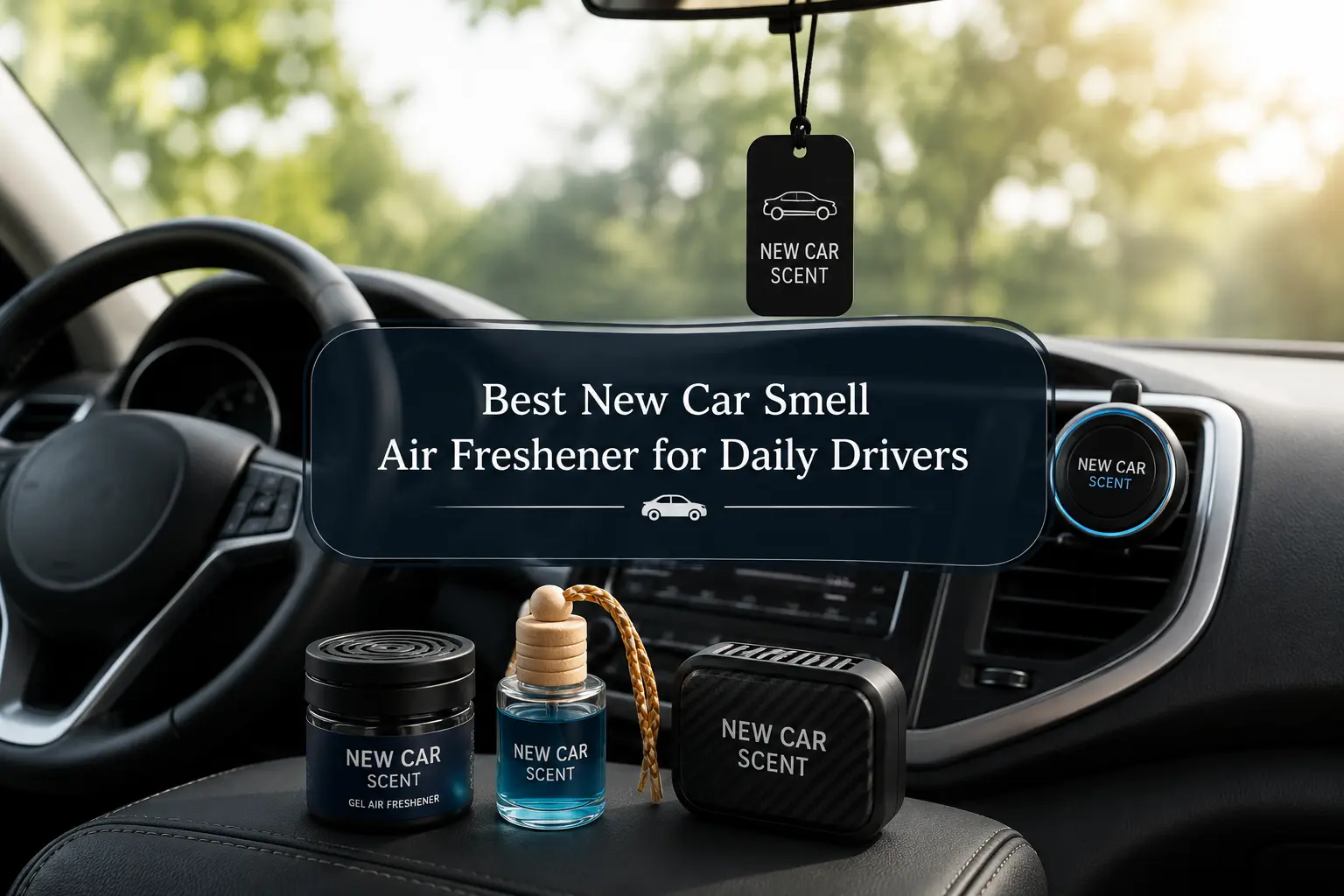
- Best New Car Smell Air Freshener
- Best Leather Scent Car Air Freshener: Luxury Car Scents
- Best Car Air Freshener for Uber Drivers
- Best Non Toxic Car Air Freshener
- How to Choose the Best Vanilla Car Air Freshener
- DIY Car Air Freshener Spray
Odor Problems & Health
- Car Smells Musty When AC Is On: Causes & Fixes
- Best Air Freshener for Smoke Smell
- Activated Charcoal Bags for Car Odor: Do They Work?
- Are Car Air Fresheners Bad for Your Health?
Start with the guides above, then use the comparison table at the top of this page to narrow your choice. If you are short on time, the bottom-line summary below gives you the answer in one paragraph per driver.
The Bottom Line: The Best Car Air Freshener for Every Driver
Guides this long earn a shortcut. There is no single winner for every car, but there is a clear best pick for every type of driver.
For daily commuters, the best car air freshener is an adjustable vent clip: airflow does the work, the dial lets you tune the scent, and a refill lasts weeks.
For tight budgets, the best car air freshener is the classic hanging tree — a dollar or two buys weeks of scent, and multi-packs cut the cost further.
For smoke odors, the best car air freshener strategy is a one-time odor bomb, then a charcoal bag, then a vent clip for maintenance.
For pet owners, the best car air freshener pairing is a charcoal bag under the seat plus a vent clip: absorption first, scent second.
For sensitive noses, the best car air freshener is an unscented charcoal bag — fragrance-free, and rechargeable in sunlight.
For big SUVs, the best car air freshener setup pairs a front vent clip with a second source in the back — a gel can or another clip.
For tech lovers, the best car air freshener is a smart diffuser you can schedule from your phone.
Whichever verdict fits you, buy the smallest size first, live with it for a week, and only then stock up. A freshener you tolerate is worth more than a premium one that gives you a headache.
How to Make the Best Car Air Freshener Last Longer
Heat, sunlight and airflow decide how long any freshener survives. The best car air freshener still fades in a parked car at noon in July, so park in shade when you can, crack a window on hot days, and store spares out of direct sun.
Small habits stretch every format further. Rotate two fresheners weekly so your nose does not go blind to a single scent, turn vent clips down on short trips, and keep gels sealed when the car sits unused for days. Charcoal bags need the opposite treatment: a couple of hours in direct sunlight recharges them, so do it monthly.
Know when to call it done. A freshener that needs a deep sniff test at arm’s length is finished, even if the stated lifespan has not passed. A fresh clip, tree, or gel beats nursing a dead one — and given how cheap most formats are, replacing on time is the one habit that buys the most freshness per dollar.
More Questions About Choosing the Best Car Air Freshener
Three more answers, because readers keep asking versions of the same thing: what is the best car air freshener for a hot climate, a big family car, or one specific format? Here are the short versions.
What is the best car air freshener for hot climates?
The best car air freshener for a hot climate is one that ignores heat. Scented formats suffer: gels dry out, vent-clip oils evaporate fast, and hanging trees burn off in a locked car. Charcoal bags do not care about heat — they absorb odor the same at any temperature — so they are your base layer. If you still want scent, add a gel can with the lid nearly closed or a vent clip on its lowest setting, and park in shade whenever you can.
What is the best car air freshener for a large SUV or family car?
One source rarely fills three rows. Put an adjustable vent clip up front where the airflow starts, add a gel can or second clip for the middle row, and consider a charcoal bag in the cargo area if pets or sports gear ride back there. Two modest sources beat one overpowering one, and the kids in the third row will thank you.
Gel, spray or vent clip: which is the best car air freshener format?
Each wins a different job. Sprays knock down a sudden smell in seconds but fade within hours. Gels give steady, adjustable background scent for weeks with no power. Vent clips tie the scent to airflow, so they are strongest while you drive and adjustable from the dial. For most drivers, the vent clip is the everyday answer; use a spray for surprises and a gel for steady background scent between clip refills.